
This guide explains “A weekly laundry load in under an hour” with practical advice for caring for clothes and using the machines correctly.
The useful planning happens before the visit
This guide explains “A weekly laundry load in under an hour” with practical advice for caring for clothes and using the machines correctly.
With A weekly laundry load in under an hour, the biggest time saving usually comes from arriving with decisions already made. Sort by colour, care and bulky items at home, check labels and carry each compatible load separately.
Parallel machines only help when loads are prepared
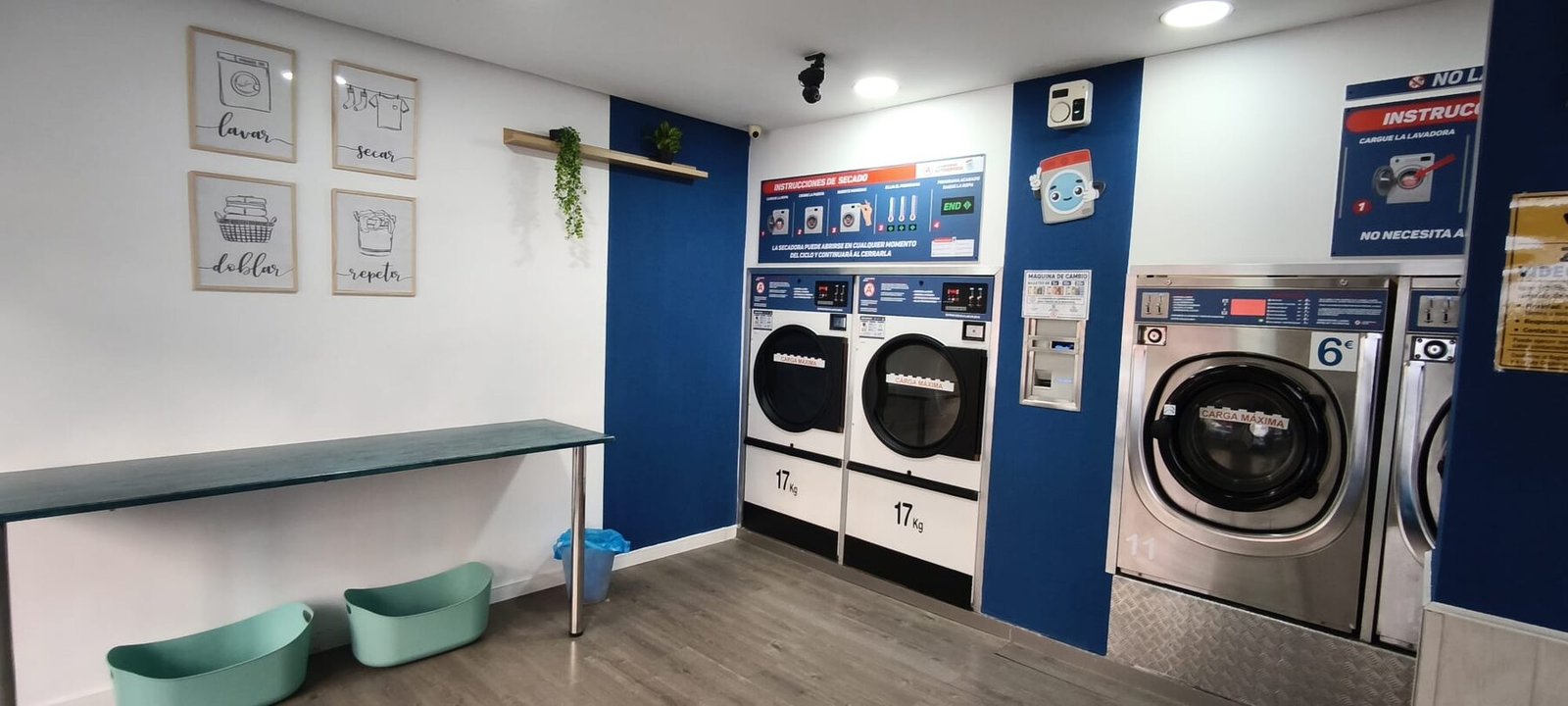
A self-service laundry can handle more than one compatible load at the same time, but speed disappears if everything has to be sorted again in front of the machines.
Think in complete loads rather than one large pile. Each bag should have a clear programme and a reasonable idea of whether all of it can move on to the same drying stage.
The most useful decision is usually made before pressing start: preparation prevents corrections later.
An A Plus team tip
Plan the drying stage from the start
Bulky or absorbent items often need more drying time than light everyday clothes. Starting those loads early and separating very different thicknesses makes the visit easier to coordinate.
Use a phone alarm if useful, return when a cycle finishes and avoid leaving completed laundry occupying a machine. Good timing is also part of considerate shared use.
Folding is part of the workflow
A visit feels much shorter when the clean clothes return home already folded and grouped. Shake garments as they come out, check that they are fully dry and organise them by person, room or type.
A separate clean bag for the return journey prevents the finished laundry from going back into the same unprotected container used for dirty clothes.
Build a routine that still works on a busy week
The best system is not the most elaborate one; it is the one you can repeat. A few useful categories, prepared bags and a clear order of loads are more sustainable than a perfect plan that collapses when you are short of time.
Adapt frequency and number of loads to the household in front of you. Planning should reduce decisions, not create another domestic task to manage.
A practical step-by-step method
- Define the result the load needs.
- Check pockets, fastenings, stains and labels.
- Separate incompatible colours and fabrics.
- Choose a suitable machine and programme.
- Inspect the result before finishing.
Common mistakes worth avoiding
- Do not improvise after the load is already prepared.
- Never mix products or treat a garment without checking its label.
- Do not assume that more heat or more product means a better result.
How to recognise a good result
Clothes should be clean, properly rinsed and free from visible damage. Before storing them, check thick areas, make sure nothing remains in the drum and separate any item needing further care.
Questions people often ask
Which guidance takes priority?
The manufacturer care label and the rules displayed in the location always take priority over general advice.
What if I am still unsure?
Do not start the cycle. Note the machine or garment type and call the laundry for confirmation.
Do I need to bring washing products?
No. A Plus washers include the products and dose them automatically.