
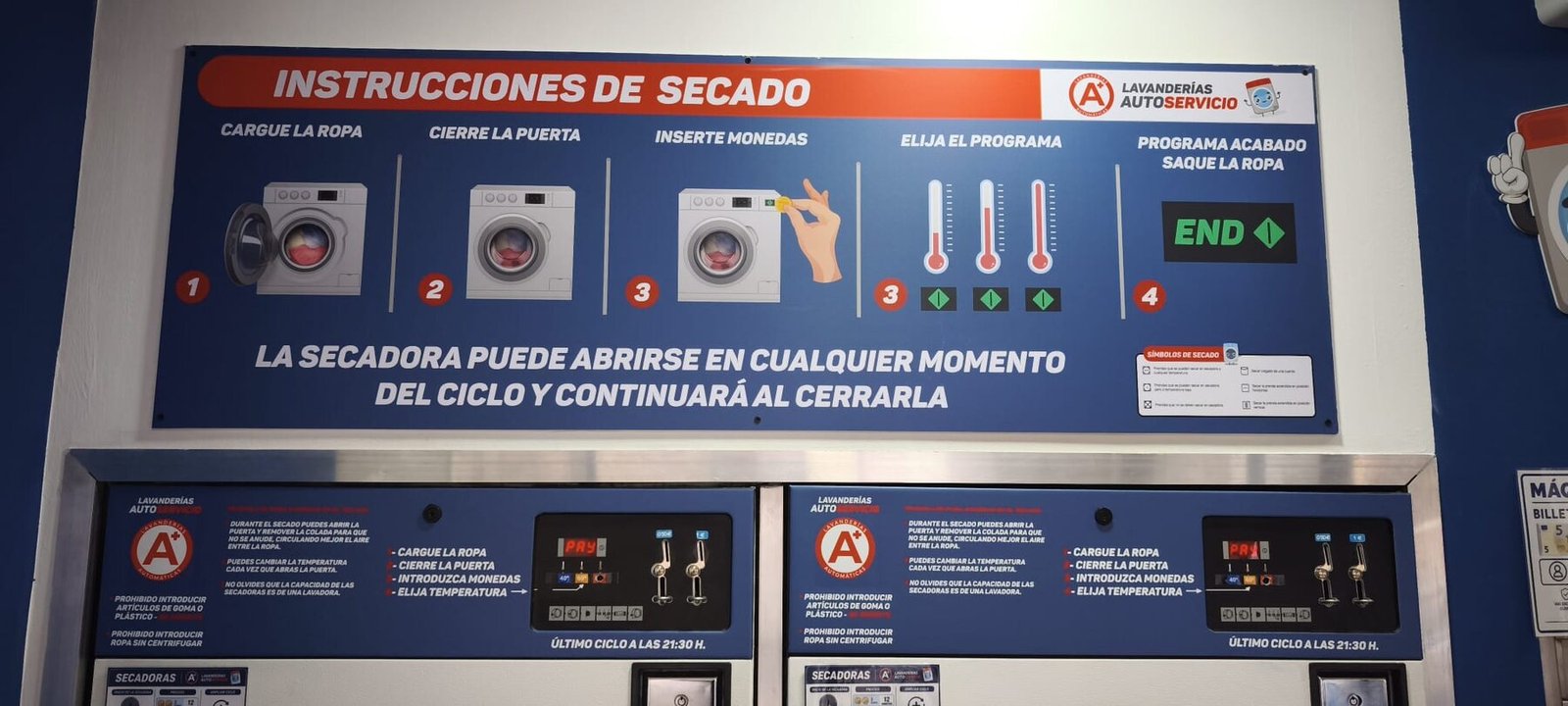
This guide explains “How to dry clothes properly” with practical advice for caring for clothes and using the machines correctly.
Drying begins with the care label
This guide explains “How to dry clothes properly” with practical advice for caring for clothes and using the machines correctly.
For How to dry clothes properly, the first question is not how much heat is available but how much heat the fabric is allowed to receive. The manufacturer label sets the limit, and a mixed load should never expose a sensitive item to a setting it does not permit.
Air needs space to move through the load
A dryer works through heat, airflow and movement. When clothes are packed tightly, the outer surfaces can become hot while folds, seams or the centre of bulky pieces remain damp.
Leaving room for garments to lift and fall often improves uniformity more than simply adding temperature. If a bulky load forms a compact mass, divide it before extending the programme.
The most useful decision is usually made before pressing start: preparation prevents corrections later.
An A Plus team tip
Different fabrics finish at different times
T-shirts, towels, denim and thick waistbands do not release moisture at the same speed. Keeping everything together until the slowest item is dry can expose lighter garments to unnecessary heat.
Where practical, separate by thickness or remove items as they finish. The remaining load gains space and the extra time is concentrated where it is actually needed.
Check during the cycle instead of guessing
A mid-cycle check gives useful information: untangle garments, open bulky pieces and feel seams, pockets and thick edges rather than touching only the top item.
If more time is needed, add it according to the instructions before the programme ends. The goal is to respond to the real load, not to assume one fixed duration works for every visit.
Dry means ready to store
Warm fabric can hide residual moisture. Let a doubtful item rest for a few seconds and check the areas that dry last before folding it into a closed bag.
A correct finish is a load that can be folded and stored without damp patches, while staying within the temperature limits of the garments. More heat is never a substitute for that final check.
A practical step-by-step method
- Define the result the load needs.
- Check pockets, fastenings, stains and labels.
- Separate incompatible colours and fabrics.
- Choose a suitable machine and programme.
- Inspect the result before finishing.
Common mistakes worth avoiding
- Do not improvise after the load is already prepared.
- Never mix products or treat a garment without checking its label.
- Do not assume that more heat or more product means a better result.
How to recognise a good result
Clothes should be clean, properly rinsed and free from visible damage. Before storing them, check thick areas, make sure nothing remains in the drum and separate any item needing further care.
Questions people often ask
Which guidance takes priority?
The manufacturer care label and the rules displayed in the location always take priority over general advice.
What if I am still unsure?
Do not start the cycle. Note the machine or garment type and call the laundry for confirmation.
Do I need to bring washing products?
No. A Plus washers include the products and dose them automatically.